Trump Claims Veto Power After Midterm Defeat, Pledges Cooperation

 London
 10 °C

 Manchester
 12 °C
 Glasgow
9 °C
 Dublin
 12 °C
 Belfast
 11 °C
 Washington
18 °C
 Denver
5 °C
 Atlanta
18 °C
 Dallas
14 °C
 Houston Texas
18 °C
 New Orleans
25 °C
 El Paso
 7 °C
 Phoenix
13 °C
 Los Angeles
14 °C
San Diego
17 °C
San Francisco
 12 °C
Chicago
18 °C
Minneapolis
 10 °C
Seattle
 5 °C
Portland
6 °C
Salt Lake City
5 °C
Las Vegas
11 °C
Miami
25 °C
Jacksonville
25 °C
San Antonio
16 °C
Bermuda
24 °C
Nassau
17 °C
Iqaluit
-3 °C
Yellowknife
-4 °C
Anchorage
3 °C
Fairbanks
-7 °C
Barrow
-3 °C
Calgary
 -1 °C
Edmonton
18 °C
Winnipeg
2 °C
Goose Bay
18 °C
Halifax
18 °C
Boston
18 °C
Ottawa
15 °C
Toronto
17 °C
Detroit
17 °C
Cleveland
19 °C
New York
17 °C
Baltimore
17 °C
Philadelphia
17 °C
Nuuk (Godthåb)
-1 °C
Hong Kong
26 °C
Singapore
29 °C
Melbourne
27 °C
Canberra
 10 °C
Adelaide
12 °C
Darwin
30 °C
Perth
17 °C
Fort Worth
14 °C
Honolulu
 24 °C
Sydney
18 °C
Johannesburg
28 °C
Dubai
32 °C
Mumbai
31 °C
Zürich
7 °C
Tokyo
12 °C
Seoul
12 °C
Delhi
21 °C
Beijing
5 °C
Riyadh
31 °C
Prague
8 °C
Pennsylvania
16 °C
Valletta
21 °C
Manama
31 °C
Warsaw
9 °C
Stockholm
10 °C
Donald Trump has accepted the outcome of the recent midterm elections, which resulted in a Democratic takeover of both chambers of Congress, yet he immediately signaled that he intends to govern through executive action. Despite acknowledging the defeat, the president emphasized his readiness to collaborate with his new legislative opponents while preparing to utilize his veto authority extensively.
Donald Trump accepted the results of the midterm elections that handed control of Congress to the Democratic Party, yet he immediately signaled an intent to govern through executive action rather than legislative compromise. Speaking to The New York Times on Wednesday, November 4, after initial results showed a Republican rout in the House and a Democratic gain in the Senate, Trump stated he was "fully willing to accept these results" and expressed readiness to work with his new legislative opponents.
"We will work with the Democrats; we are looking forward to collaborating with them. We will probably find common ground," Trump said, displaying an unusual politeness toward adversaries whom he later praised for doing a "good job" and fighting "well." This conciliatory tone contrasted sharply with his earlier campaign rhetoric and the subsequent reactions from both parties.
The electoral defeat marked a significant low point for the president. According to recent polls, Trump’s approval rating stood at 37 percent, the lowest level for a sitting president entering midterms since Harry Truman in 1946. Despite this unpopularity, Trump remained personally involved in the campaign, later posting on his Truth Social platform that he was not on the ballot and claiming, "if I had been, we would have WON LARGELY."
Trump also pointed to external factors for the loss, specifically citing the conflict in Iran. In a phone interview with Fox News, he suggested the war was "partly" responsible for the Republican setback. This aligns with statements from Mohammad Bagher Ghalibaf, Iran’s chief negotiator, who wrote on X that Americans had rejected war due to conscience or cost of living concerns.
Democrats seized on the results as a personal rebuke to Trump. Hakeem Jeffries, the Democratic House leader, described the president as "shaken" and declared that "MAGA extremists are routed from coast to coast." The victory was highlighted by the flipping of traditional Republican strongholds in Texas and Kansas.
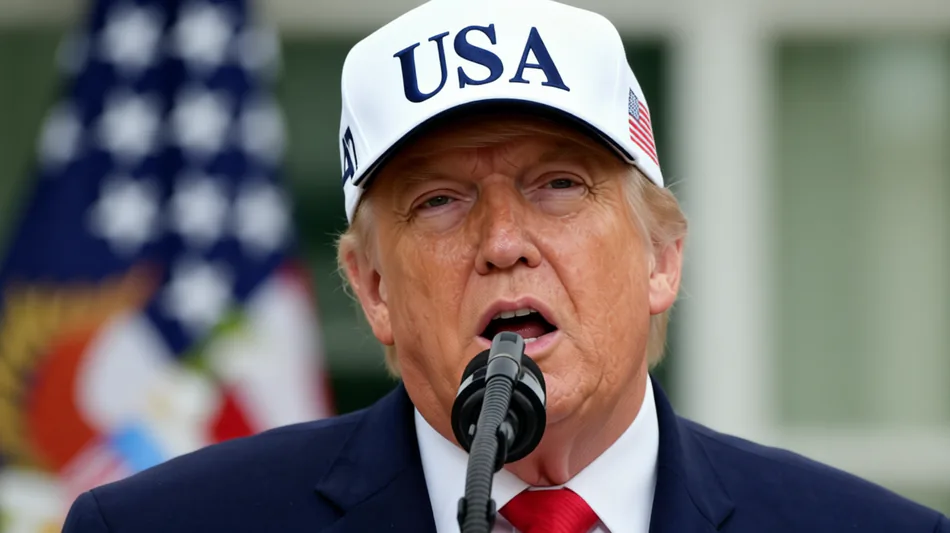
Addressing how this shift would impact his ability to exercise power, Trump posted an image on Truth Social featuring a red MAGA-style cap with the word "veto" prominently displayed. He had previously stated, "I think I will be Mr. Veto." While the president can refuse to sign legislation passed by Congress, this power is not absolute; a veto can be overridden if both the Senate and the House of Representatives approve the bill by a two-thirds majority.
The outcome underscores the complex dynamic between executive authority and legislative control as Trump prepares for the remainder of his term with a hostile Congress.
K.Laurent--PS