Russia's plague scare: What we know / Photo: TATYANA MAKEYEVA - AFP

 London
 11 °C
11 °C

 Manchester
 13 °C
13 °C
 Glasgow
 20 °C
20 °C
 Dublin
13 °C
Dublin
13 °C
 Belfast
12 °C
Belfast
12 °C
 Washington
18 °C
Washington
18 °C
 Denver
20 °C
Denver
20 °C
 Atlanta
21 °C
Atlanta
21 °C
 Dallas
26 °C
Dallas
26 °C
 Houston Texas
28 °C
Houston Texas
28 °C
 New Orleans
 27 °C
27 °C
 El Paso
20 °C
El Paso
20 °C
 Phoenix
30 °C
Phoenix
30 °C
 Los Angeles
25 °C
San Diego
25 °C
San Francisco
18 °C
Chicago
20 °C
Minneapolis
18 °C
Seattle
Los Angeles
25 °C
San Diego
25 °C
San Francisco
18 °C
Chicago
20 °C
Minneapolis
18 °C
Seattle
 12 °C
Portland
12 °C
Salt Lake City
20 °C
Las Vegas
25 °C
Miami
31 °C
Jacksonville
24 °C
San Antonio
27 °C
Bermuda
24 °C
Nassau
18 °C
Iqaluit
0 °C
Yellowknife
2 °C
Anchorage
12 °C
Portland
12 °C
Salt Lake City
20 °C
Las Vegas
25 °C
Miami
31 °C
Jacksonville
24 °C
San Antonio
27 °C
Bermuda
24 °C
Nassau
18 °C
Iqaluit
0 °C
Yellowknife
2 °C
Anchorage
 7 °C
Fairbanks
7 °C
Fairbanks
 0 °C
Barrow
-6 °C
Calgary
7 °C
Edmonton
24 °C
Winnipeg
13 °C
Goose Bay
15 °C
Halifax
16 °C
Boston
15 °C
Ottawa
13 °C
Toronto
19 °C
Detroit
19 °C
Cleveland
19 °C
New York
17 °C
Baltimore
18 °C
Philadelphia
18 °C
Nuuk (Godthåb)
2 °C
Hong Kong
0 °C
Barrow
-6 °C
Calgary
7 °C
Edmonton
24 °C
Winnipeg
13 °C
Goose Bay
15 °C
Halifax
16 °C
Boston
15 °C
Ottawa
13 °C
Toronto
19 °C
Detroit
19 °C
Cleveland
19 °C
New York
17 °C
Baltimore
18 °C
Philadelphia
18 °C
Nuuk (Godthåb)
2 °C
Hong Kong
 27 °C
Singapore
29 °C
Melbourne
28 °C
Canberra
27 °C
Singapore
29 °C
Melbourne
28 °C
Canberra
 5 °C
Adelaide
17 °C
Darwin
28 °C
Perth
18 °C
Fort Worth
26 °C
Honolulu
5 °C
Adelaide
17 °C
Darwin
28 °C
Perth
18 °C
Fort Worth
26 °C
Honolulu
 23 °C
Sydney
13 °C
Johannesburg
24 °C
Dubai
38 °C
Mumbai
32 °C
Zürich
21 °C
Tokyo
18 °C
Seoul
12 °C
Delhi
28 °C
Beijing
12 °C
Riyadh
34 °C
Prague
20 °C
Pennsylvania
17 °C
Valletta
28 °C
Manama
34 °C
Warsaw
19 °C
Stockholm
12 °C
23 °C
Sydney
13 °C
Johannesburg
24 °C
Dubai
38 °C
Mumbai
32 °C
Zürich
21 °C
Tokyo
18 °C
Seoul
12 °C
Delhi
28 °C
Beijing
12 °C
Riyadh
34 °C
Prague
20 °C
Pennsylvania
17 °C
Valletta
28 °C
Manama
34 °C
Warsaw
19 °C
Stockholm
12 °C
The death of a plague laboratory worker in Siberia last week has made global headlines, with Russian media suggesting hundreds were under quarantine and US President Donald Trump expressing concern.
Russia has attributed the worker's death to pneumonia of an "undetermined" cause, but the United States, European Union and World Health Organization (WHO) have all called for more information on the case.
Russia's public health agency, Rospotrebnadzor, said Wednesday that there was no risk of an epidemic among the wider public.
Here is what we know, five days since the laboratory worker died:
- What happened? -
The incident was first reported in local media on Friday.
Russian news outlet People of Baikal said that an employee of the Irkutsk Anti-Plague Institute, whom it named as 28-year-old Darya Shipilova, died the previous night from a suspected case of pneumonic plague.
She may have contracted the disease from a broken test tube, the outlet reported, without elaborating.
Alexei Tsydenov, governor of the neighbouring Buryatia region, said in a social media post that a woman in the Irkutsk region had "died of plague", before editing the post to add the word "possibly".
AFP has not been able to verify the reports.
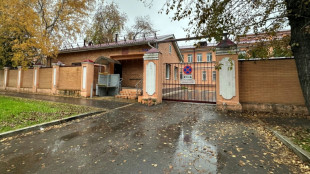
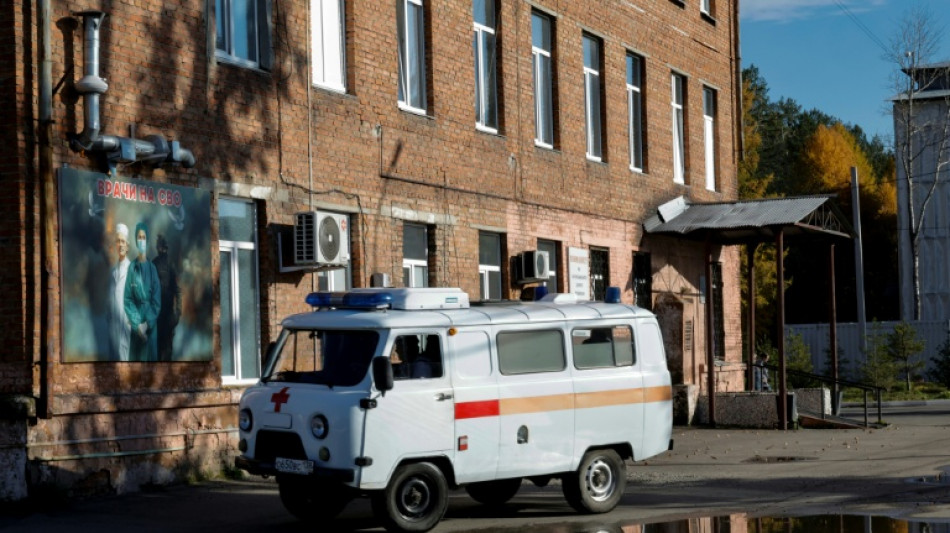
The mayor of the town of Shelekhov, where she was reported to have died, said a local hospital had been quarantined.
As many as 200 people with whom she may have had contact were placed under quarantine over the incident, People of Baikal said.
Irkutsk is a remote Siberian city home to around 500,000 people in eastern Russia, while Shelekhov is a satellite town to the city's west.
- How has Russia responded? -
Russian officials have downplayed or rejected reports the worker died of plague.
The Irkutsk region governor, Igor Kobzev, said Monday that an inspection by Rospotrebnadzor found she died of pneumonia of "undetermined" origin.
"No micro-organisms linked to the young woman's professional work were found in her biological samples," Kobzev said, adding that no other staff at the institute had sought medical attention since her death.
Rospotrebnadzor said Wednesday that the situation in the Irkutsk region remained "stable", and that nearly 5,000 tests had been conducted, none of which revealed dangerous pathogens.
It also reported "comprehensive preventive and anti-epidemic measures" had been implemented, without saying what the measures were.
- What is plague? -
Plague is a disease caused by the Yersinia pestis bacterium, the same pathogen that killed millions of people in Europe during the Middle Ages.
It can occur in several forms, among them pneumonic plague, which is the most contagious type and can be transmitted by respiratory means. Bubonic plague is transmitted by infected fleas.
All forms can be treated with antibiotics, although can be rapidly fatal if not treated early.
Plague is found in all continents except Oceania, and cases have been sporadically reported worldwide.
A plague outbreak on the island nation of Madagascar killed over 200 people in 2017.
- How has the world reacted? -
The Russian reports have triggered international concern, with Trump saying Monday that Washington was closely following events.
The WHO, European Union and United States have all called for Russia to be more transparent about the incident.
"WHO has requested further information to clarify the cause of the severe pneumonia," WHO chief Tedros Adhanom Ghebreyesus said Wednesday, mentioning "media reports of a second employee with pneumonia of undetermined cause".
Trump said Monday that Washington would "help" Russia, without elaborating. The next day he said he would call Russian counterpart Vladimir Putin to discuss the reports.
- What is the risk? -
Russia has played down the risk.
Rospotrebnadzor said Wednesday that there were no "epidemic risks to the populations of Irkutsk and the Irkutsk Region".
The WHO initially deemed the risk for the region to be "moderate to low", but later said it lacked information to conduct a "full risk assessment".
The Kremlin has hit out at reports of a suspected second case of the disease, saying most of what the media was reporting was "false information".
Public health experts have also called for calm over the incident, which comes several years after the COVID pandemic.
In previous plague outbreaks, health authorities have had to "find the affected people, find their contacts, quarantine them and give them antibiotics," Simon Clarke -- an associate professor in cellular microbiology at the University of Reading in Britain -- told Times Radio on Tuesday.
"It requires a lot of resources. But the Russians should be able to manage this," he said.
Q.Vincent--PS