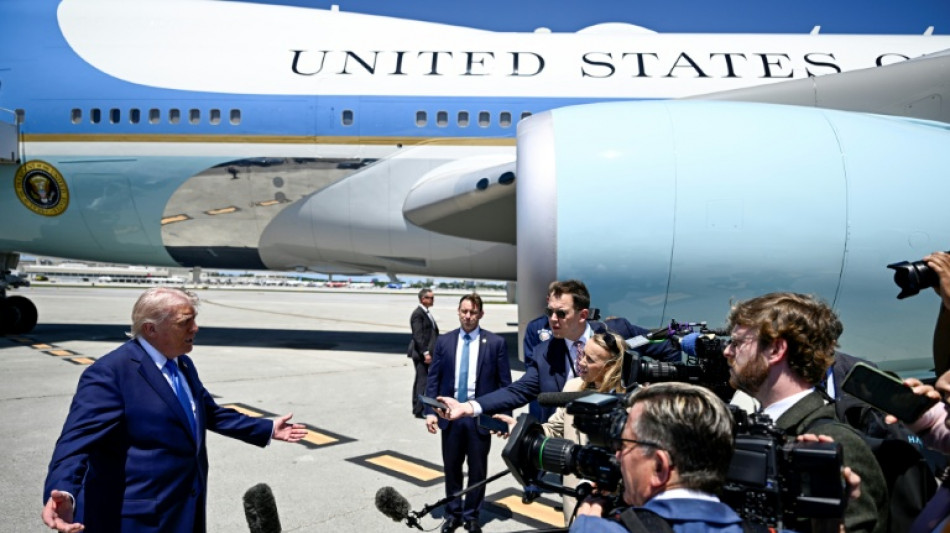
Iran minister returns to Pakistan despite US talks cancellation / Photo: Kent NISHIMURA - AFP

 London
 10 °C
10 °C

 Manchester
 10 °C
10 °C
 Glasgow
 7 °C
7 °C
 Dublin
6 °C
Dublin
6 °C
 Belfast
3 °C
Belfast
3 °C
 Washington
 7 °C
7 °C
 Denver
14 °C
Denver
14 °C
 Atlanta
10 °C
Atlanta
10 °C
 Dallas
15 °C
Dallas
15 °C
 Houston Texas
17 °C
Houston Texas
17 °C
 New Orleans
18 °C
New Orleans
18 °C
 El Paso
 18 °C
18 °C
 Phoenix
23 °C
Phoenix
23 °C
 Los Angeles
23 °C
San Diego
22 °C
San Francisco
14 °C
Chicago
12 °C
Minneapolis
13 °C
Seattle
10 °C
Portland
12 °C
Salt Lake City
13 °C
Las Vegas
21 °C
Miami
25 °C
Jacksonville
19 °C
San Antonio
16 °C
Bermuda
26 °C
Nassau
9 °C
Iqaluit
-4 °C
Yellowknife
-3 °C
Anchorage
2 °C
Fairbanks
-2 °C
Barrow
Los Angeles
23 °C
San Diego
22 °C
San Francisco
14 °C
Chicago
12 °C
Minneapolis
13 °C
Seattle
10 °C
Portland
12 °C
Salt Lake City
13 °C
Las Vegas
21 °C
Miami
25 °C
Jacksonville
19 °C
San Antonio
16 °C
Bermuda
26 °C
Nassau
9 °C
Iqaluit
-4 °C
Yellowknife
-3 °C
Anchorage
2 °C
Fairbanks
-2 °C
Barrow
 -2 °C
Calgary
5 °C
Edmonton
7 °C
Winnipeg
10 °C
Goose Bay
10 °C
Halifax
2 °C
Boston
5 °C
Ottawa
8 °C
Toronto
11 °C
Detroit
10 °C
Cleveland
8 °C
New York
11 °C
Baltimore
7 °C
Philadelphia
9 °C
Nuuk (Godthåb)
-2 °C
Hong Kong
-2 °C
Calgary
5 °C
Edmonton
7 °C
Winnipeg
10 °C
Goose Bay
10 °C
Halifax
2 °C
Boston
5 °C
Ottawa
8 °C
Toronto
11 °C
Detroit
10 °C
Cleveland
8 °C
New York
11 °C
Baltimore
7 °C
Philadelphia
9 °C
Nuuk (Godthåb)
-2 °C
Hong Kong
 32 °C
Singapore
32 °C
Melbourne
25 °C
Canberra
32 °C
Singapore
32 °C
Melbourne
25 °C
Canberra
 22 °C
Adelaide
22 °C
Adelaide
 26 °C
Darwin
33 °C
Perth
20 °C
Fort Worth
15 °C
Honolulu
27 °C
Sydney
26 °C
Darwin
33 °C
Perth
20 °C
Fort Worth
15 °C
Honolulu
27 °C
Sydney
 23 °C
Johannesburg
16 °C
Dubai
30 °C
Mumbai
31 °C
Zürich
10 °C
Tokyo
26 °C
Seoul
17 °C
Delhi
22 °C
Beijing
16 °C
Riyadh
26 °C
Prague
6 °C
Pennsylvania
5 °C
Valletta
22 °C
Manama
30 °C
Warsaw
7 °C
Stockholm
3 °C
23 °C
Johannesburg
16 °C
Dubai
30 °C
Mumbai
31 °C
Zürich
10 °C
Tokyo
26 °C
Seoul
17 °C
Delhi
22 °C
Beijing
16 °C
Riyadh
26 °C
Prague
6 °C
Pennsylvania
5 °C
Valletta
22 °C
Manama
30 °C
Warsaw
7 °C
Stockholm
3 °C
Iran's foreign minister returned to Islamabad for more consultations on Sunday, as international mediators tried to keep peace talks on track despite US President Donald Trump calling off his envoys' planned trip.
According to the Iranian news agency ISNA, Abbas Araghchi was to sit down with Pakistani officials to convey "Iran's positions and views on the framework of any understanding to completely end the war" in the Middle East.
The minister had already been in Islamabad only the day before, after which he travelled to Oman, while other Iranian envoys went to Tehran "to consult and obtain the necessary instructions on issues related to ending the war", according to the agency.
Before Saturday's Iran-Pakistan meetings in Islamabad, the White House had announced that Trump's peace envoy Steve Witkoff and son-in-law Jared Kushner were planning to leave for Pakistan to engage in further negotiations.
But Trump later told Fox News he had scrapped the trip, saying there was no point "sitting around talking about nothing". He dismissed Tehran's negotiating position, but added that it had revised its proposal within minutes of his decision.
"They gave us a paper that should have been better and -- interestingly -- immediately when I cancelled it, within 10 minutes, we got a new paper that was much better," he told reporters, without elaborating.
- 'Very fruitful' -
Asked separately whether halting the trip meant a return to open hostilities, Trump said: "No, it doesn't mean that. We haven't thought about it yet."
Later, after a gunman was arrested at the White House Correspondents' Association dinner in Washington, Trump said he did not think the incident was related to Iran but that it would not deter him "from winning the war".
On Saturday, Araghchi met Pakistan's military chief Asim Munir, a key mediator, Prime Minister Shehbaz Sharif and Foreign Minister Ishaq Dar, before flying on to Muscat.
He is expected to go to Moscow after the talks in Islamabad.
Araghchi described his initial Pakistan trip as "very fruitful" but signalled scepticism over Washington's intentions. "Have yet to see if the US is truly serious about diplomacy," he said.
- Hormuz blockade deepens -
Pressure to end the war has intensified as the Strait of Hormuz -- a vital oil and gas route -- remains closed.
Iran's powerful Revolutionary Guards said they had no intention of lifting their blockade, which has roiled energy markets.
"Controlling the Strait of Hormuz and maintaining the shadow of its deterrent effects over America and the White House's supporters in the region is the definitive strategy of Islamic Iran," the Guards said on their official Telegram channel.
The United States has imposed a blockade of Iranian ports in retaliation.
In a statement carried by state media, Iran's military warned that continued US "blockading, banditry and piracy" would draw a response.
- Israel strikes Lebanon -
On the war's Lebanese front, Israeli Prime Minister Benjamin Netanyahu ordered strikes on Hezbollah and accused the Iran-backed group of violating a ceasefire that was extended this week.
"It must be understood that Hezbollah's violations are, in practice, dismantling the ceasefire," Netanyahu said, during Sunday's weekly cabinet meeting.
Lebanese official media said Israel's military began striking the country's south after issuing an evacuation warning for seven locations, despite the ceasefire with the Iran-backed group.
"Israeli warplanes launched a strike" in Kfar Tibnit -- one of the locations included in the warning -- the state-run National News Agency said, adding that there were reports of casualties.
Under the terms of the ceasefire, Israel reserves the right to act against "planned, imminent or ongoing attacks".
burs-ft/dc/smw
M.Michel--PS