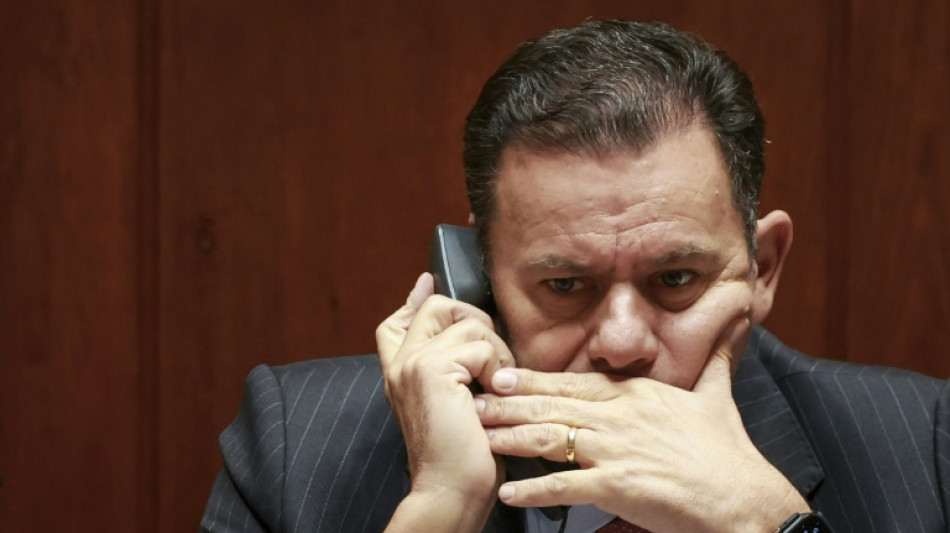
General strike hits planes, trains and services in Portugal / Photo: PATRICIA DE MELO MOREIRA - AFP

 London
 12 °C
12 °C

 Manchester
 10 °C
10 °C
 Glasgow
 12 °C
12 °C
 Dublin
10 °C
Dublin
10 °C
 Belfast
10 °C
Belfast
10 °C
 Washington
 7 °C
7 °C
 Denver
6 °C
Denver
6 °C
 Atlanta
 11 °C
11 °C
 Dallas
 17 °C
17 °C
 Houston Texas
18 °C
Houston Texas
18 °C
 New Orleans
16 °C
New Orleans
16 °C
 El Paso
16 °C
El Paso
16 °C
 Phoenix
17 °C
Phoenix
17 °C
 Los Angeles
18 °C
San Diego
17 °C
San Francisco
13 °C
Chicago
13 °C
Minneapolis
Los Angeles
18 °C
San Diego
17 °C
San Francisco
13 °C
Chicago
13 °C
Minneapolis
 9 °C
Seattle
9 °C
Portland
8 °C
Salt Lake City
7 °C
Las Vegas
15 °C
Miami
21 °C
Jacksonville
21 °C
San Antonio
19 °C
Bermuda
22 °C
Nassau
7 °C
Iqaluit
-4 °C
Yellowknife
-9 °C
Anchorage
3 °C
Fairbanks
-1 °C
Barrow
2 °C
Calgary
9 °C
Seattle
9 °C
Portland
8 °C
Salt Lake City
7 °C
Las Vegas
15 °C
Miami
21 °C
Jacksonville
21 °C
San Antonio
19 °C
Bermuda
22 °C
Nassau
7 °C
Iqaluit
-4 °C
Yellowknife
-9 °C
Anchorage
3 °C
Fairbanks
-1 °C
Barrow
2 °C
Calgary
 -2 °C
Edmonton
8 °C
Winnipeg
3 °C
Goose Bay
8 °C
Halifax
0 °C
Boston
5 °C
Ottawa
2 °C
Toronto
-2 °C
Edmonton
8 °C
Winnipeg
3 °C
Goose Bay
8 °C
Halifax
0 °C
Boston
5 °C
Ottawa
2 °C
Toronto
 7 °C
Detroit
6 °C
Cleveland
7 °C
New York
10 °C
Baltimore
4 °C
Philadelphia
7 °C
Nuuk (Godthåb)
-6 °C
Hong Kong
28 °C
Singapore
7 °C
Detroit
6 °C
Cleveland
7 °C
New York
10 °C
Baltimore
4 °C
Philadelphia
7 °C
Nuuk (Godthåb)
-6 °C
Hong Kong
28 °C
Singapore
 30 °C
Melbourne
25 °C
Canberra
17 °C
Adelaide
13 °C
Darwin
30 °C
Perth
16 °C
Fort Worth
18 °C
Honolulu
24 °C
Sydney
21 °C
Johannesburg
30 °C
Melbourne
25 °C
Canberra
17 °C
Adelaide
13 °C
Darwin
30 °C
Perth
16 °C
Fort Worth
18 °C
Honolulu
24 °C
Sydney
21 °C
Johannesburg
 29 °C
Dubai
35 °C
Mumbai
36 °C
Zürich
29 °C
Dubai
35 °C
Mumbai
36 °C
Zürich
 11 °C
Tokyo
11 °C
Tokyo
 21 °C
Seoul
21 °C
Delhi
31 °C
Beijing
11 °C
Riyadh
34 °C
Prague
8 °C
Pennsylvania
3 °C
Valletta
23 °C
Manama
34 °C
Warsaw
12 °C
Stockholm
11 °C
21 °C
Seoul
21 °C
Delhi
31 °C
Beijing
11 °C
Riyadh
34 °C
Prague
8 °C
Pennsylvania
3 °C
Valletta
23 °C
Manama
34 °C
Warsaw
12 °C
Stockholm
11 °C
Widespread disruption hit Portuguese air travel and trains, hospitals and schools Thursday as the unions called the biggest nationwide strike action for more than a decade against government labour reforms.
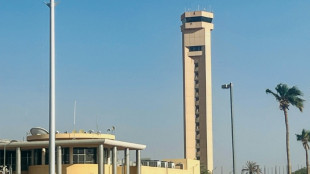
Lisbon's main train station was empty with most services cancelled and the TAP Air Portugal national airline called off about two thirds of its normal 250 flights.
According to unions, refuse collection was at a standstill along with hospital departments handling non-urgent cases. Schools and courts were also affected.
Unions have been infuriated by a law proposed by the right wing minority government that it says aims to simplify firing procedures, extend the length of fixed-term contracts and expand the minimum services required during a strike.
Prime Minister Luis Montenegro insisted that the labour reforms, with more than 100 measures, were intended to "stimulate economic growth and pay better salaries".
But the communist-leaning CGTP and more moderate UGT unions have lambasted the plans. And the walk-out is Portugal's biggest since June 2013, when the country needed International Monetary Fund and European Union help to overcome a debt crisis.
CGTP secretary general Tiago Oliveira said the reforms were "among the biggest attacks on the world of work". He told AFP the government action would "normalise job insecurity" and "make dismissals easier".
- Support for strikers -
Out of a working population of some five million people, around 1.3 million are already in insecure positions, Oliveira said.
With Portugal set to elect a new president in early 2026, Oliveira said he considered the strike was "already a success" even before it started as it had drawn public attention to the labour reforms.
Public opinion is largely behind the action, with 61 percent of those polled in favour of the walk-out, according to a survey published in the Portuguese press.
On the eve of the strike, Montenegro said he hoped "that the country will function as normally as possible... because the rights of some must not infringe on the rights of others".
Although his right-wing party lacks a majority in parliament, Montenegro's government should be able to force the bill through with the support of the liberals -- and the far right, which has become the second-largest political force in Portugal.
The left-wing opposition has accused Montenegro's camp of not telling voters that workers' rights roll-backs were on the cards while campaigning for the last parliamentary elections.
Although Portugal has recorded economic growth of around two percent and a historically low unemployment rate of some six percent, the prime minister has argued that the country should take advantage of the favourable climate to push through reforms.
Armindo Monteiro, head of the main employers confederation, the CIP, condemned the strike and told AFP the government's draft law was only a "basis for discussion" aiming to correct the "misbalance" caused by labour changes made by a previous left wing government.
Q.Mathieu--PS