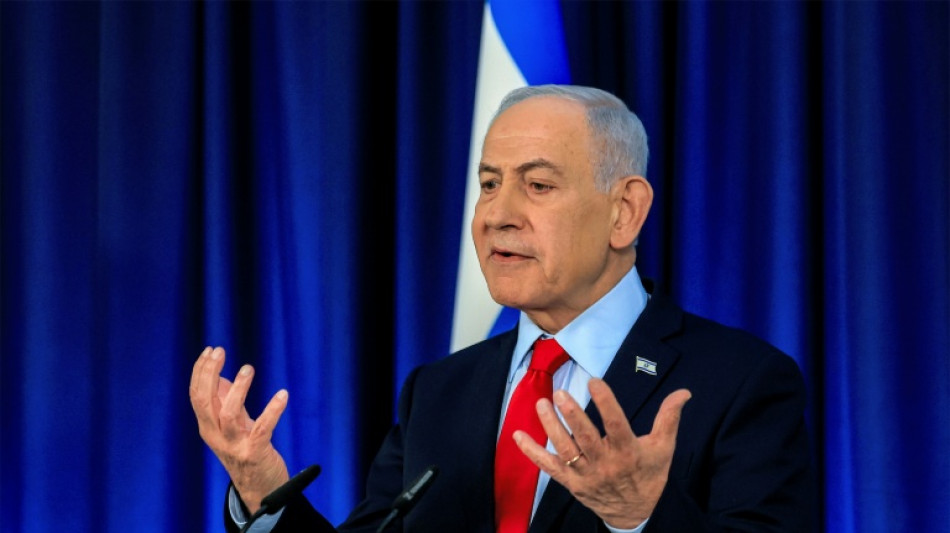
Crude sinks after Netanyahu tries to reassure on Iran war / Photo: Ronen Zvulun - POOL/AFP

 London
 13 °C
13 °C

 Manchester
9 °C
Manchester
9 °C
 Glasgow
12 °C
Glasgow
12 °C
 Dublin
14 °C
Dublin
14 °C
 Belfast
14 °C
Belfast
14 °C
 Washington
 25 °C
25 °C
 Denver
 19 °C
19 °C
 Atlanta
26 °C
Atlanta
26 °C
 Dallas
30 °C
Dallas
30 °C
 Houston Texas
28 °C
Houston Texas
28 °C
 New Orleans
27 °C
New Orleans
27 °C
 El Paso
25 °C
El Paso
25 °C
 Phoenix
37 °C
Phoenix
37 °C
 Los Angeles
 31 °C
San Diego
27 °C
San Francisco
23 °C
Chicago
22 °C
Minneapolis
18 °C
Seattle
18 °C
Portland
20 °C
Salt Lake City
19 °C
Las Vegas
33 °C
Miami
29 °C
Jacksonville
26 °C
San Antonio
29 °C
Bermuda
24 °C
Nassau
23 °C
Iqaluit
4 °C
Yellowknife
14 °C
Anchorage
12 °C
Fairbanks
31 °C
San Diego
27 °C
San Francisco
23 °C
Chicago
22 °C
Minneapolis
18 °C
Seattle
18 °C
Portland
20 °C
Salt Lake City
19 °C
Las Vegas
33 °C
Miami
29 °C
Jacksonville
26 °C
San Antonio
29 °C
Bermuda
24 °C
Nassau
23 °C
Iqaluit
4 °C
Yellowknife
14 °C
Anchorage
12 °C
Fairbanks
 8 °C
Barrow
3 °C
Calgary
17 °C
Edmonton
27 °C
Winnipeg
15 °C
Goose Bay
21 °C
Halifax
22 °C
Boston
23 °C
Ottawa
20 °C
Toronto
21 °C
Detroit
22 °C
Cleveland
22 °C
New York
24 °C
Baltimore
25 °C
Philadelphia
23 °C
Nuuk (Godthåb)
3 °C
Hong Kong
8 °C
Barrow
3 °C
Calgary
17 °C
Edmonton
27 °C
Winnipeg
15 °C
Goose Bay
21 °C
Halifax
22 °C
Boston
23 °C
Ottawa
20 °C
Toronto
21 °C
Detroit
22 °C
Cleveland
22 °C
New York
24 °C
Baltimore
25 °C
Philadelphia
23 °C
Nuuk (Godthåb)
3 °C
Hong Kong
 31 °C
Singapore
31 °C
Singapore
 32 °C
Melbourne
26 °C
Canberra
32 °C
Melbourne
26 °C
Canberra
 16 °C
Adelaide
18 °C
Darwin
33 °C
Perth
22 °C
Fort Worth
30 °C
Honolulu
28 °C
Sydney
17 °C
Johannesburg
7 °C
Dubai
36 °C
Mumbai
30 °C
Zürich
11 °C
Tokyo
22 °C
Seoul
22 °C
Delhi
31 °C
Beijing
28 °C
Riyadh
36 °C
Prague
10 °C
Pennsylvania
24 °C
Valletta
27 °C
Manama
37 °C
Warsaw
14 °C
Stockholm
12 °C
16 °C
Adelaide
18 °C
Darwin
33 °C
Perth
22 °C
Fort Worth
30 °C
Honolulu
28 °C
Sydney
17 °C
Johannesburg
7 °C
Dubai
36 °C
Mumbai
30 °C
Zürich
11 °C
Tokyo
22 °C
Seoul
22 °C
Delhi
31 °C
Beijing
28 °C
Riyadh
36 °C
Prague
10 °C
Pennsylvania
24 °C
Valletta
27 °C
Manama
37 °C
Warsaw
14 °C
Stockholm
12 °C
Crude prices fell more than two percent Friday after Israeli Prime Minister Benjamin Netanyahu said Iran was being "decimated" and that the war would end earlier than many feared.
Traders also welcomed US President Donald Trump's remarks that Israeli forces would not target any more of Tehran's energy infrastructure, after strikes on a key gas field Wednesday sparked warnings of retaliation against installations across the Gulf.
But with the conflict heading into a fourth week, most equities fell as investors fret over energy markets, with oil still holding around $100 and gas surging amid the effective closure of the crucial Strait of Hormuz.
Netanyahu told a news conference Thursday that Israel and the United States were "winning and Iran is being decimated", adding that the Islamic republic no longer had the capacity to enrich uranium or manufacture ballistic missiles.
"This war is ending a lot faster than people think," he said without providing a specific timeframe.
Netanyahu also said he would help the United States try to secure Hormuz, through which a fifth of global oil and gas flows.
His comments came after Washington said there was no deadline to end the war launched against Iran on February 28.
Both main oil contracts sank Friday, though Brent remains at about $105 and West Texas Intermediate about $93.
Before Netanyahu's comments Thursday, the commodity had soared to as high as $119 after Tehran struck a number of energy sites around the Gulf in retaliation for Israel's attack on its South Pars field.
European gas prices soared more than a third at one point.
Asked whether he had talked to the prime minister about attacking Iranian gas fields, Trump replied: "I did. I told him, don't do that, and he won't do that.
"You know, we're independent. We get along great. It's coordinated, but on occasion, he'll do something, and if I don't like it...and so we're not doing that anymore."
He had warned Iran earlier that US forces would "massively blow up" the South Pars field if Tehran did not stop attacking Qatar, to which Iran said it would have "zero restraint" if its energy infrastructure was hit again.
Meanwhile, French President Emmanuel Macron said his country planned to talk with permanent members of the UN Security Council about establishing a UN framework -- once the ongoing exchange of fire had ended -- to secure navigation in the Strait of Hormuz.
While Wall Street enjoyed a late rally on the remarks, Asian stock markets fluctuated as nervous traders awaited positive developments in the crisis.
Hong Kong, Sydney, Singapore and Wellington all fell, though Shanghai, Seoul and Taipei rose. Tokyo was closed for a holiday.
"Netanyahu's remarks have poured a layer of soothing balm over sentiment, with talk of securing the Strait and claims that Iran's nuclear and missile capabilities have been neutralised, feeding the idea that this conflict could burn out faster than feared," wrote Stephen Innes at SPI Asset Management.
"That narrative matters because it shortens the perceived life of the supply shock. But even if the geopolitical chapter closes sooner than expected, the energy system does not reset on command.
"You do not rebuild liquefaction trains, repair export terminals, or restore confidence in global shipping lanes with a press conference."
- Key figures at around 0145 GMT -
Brent North Sea Crude: DOWN 2.7 percent at $105.76 per barrel
West Texas Intermediate: DOWN 2.8 percent at $92.85 per barrel
Hong Kong - Hang Seng Index: DOWN 0.1 percent at 25,469.65
Shanghai - Composite: UP 0.1 percent at 4,011.70
Tokyo - Nikkei 225: Closed for a holiday
Euro/dollar: DOWN at $1.1569 from $1.1583 on Thursday
Pound/dollar: DOWN at $1.3421 from $1.3425
Dollar/yen: UP at 157.96 yen from 157.65 yen
Euro/pound: DOWN at 86.20 pence from 86.23 pence
New York - Dow: DOWN 0.4 percent at 46,021.43 (close)
London - FTSE 100: DOWN 2.4 percent at 10,063.50 (close)
E.Robert--PS