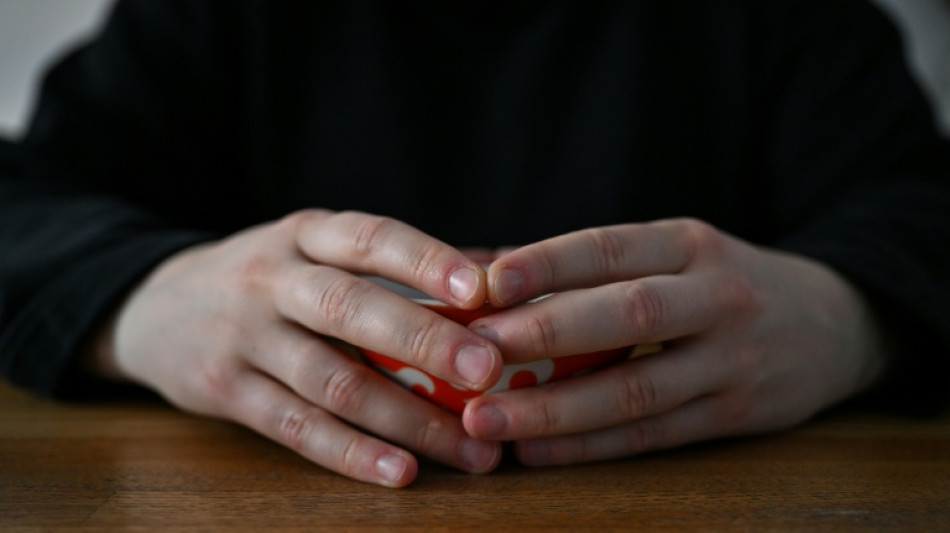
The silent struggle of an anti-war woman in Russia / Photo: Hector RETAMAL - AFP

 London
 13 °C
13 °C

 Manchester
 11 °C
11 °C
 Glasgow
10 °C
Glasgow
10 °C
 Dublin
17 °C
Dublin
17 °C
 Belfast
14 °C
Belfast
14 °C
 Washington
 7 °C
7 °C
 Denver
6 °C
Denver
6 °C
 Atlanta
 10 °C
10 °C
 Dallas
16 °C
Dallas
16 °C
 Houston Texas
 18 °C
18 °C
 New Orleans
17 °C
New Orleans
17 °C
 El Paso
16 °C
El Paso
16 °C
 Phoenix
 17 °C
17 °C
 Los Angeles
18 °C
San Diego
17 °C
San Francisco
13 °C
Chicago
14 °C
Minneapolis
Los Angeles
18 °C
San Diego
17 °C
San Francisco
13 °C
Chicago
14 °C
Minneapolis
 6 °C
Seattle
9 °C
Portland
10 °C
Salt Lake City
6 °C
Seattle
9 °C
Portland
10 °C
Salt Lake City
 8 °C
Las Vegas
14 °C
Miami
25 °C
Jacksonville
20 °C
San Antonio
17 °C
Bermuda
27 °C
Nassau
10 °C
Iqaluit
-2 °C
Yellowknife
2 °C
Anchorage
6 °C
Fairbanks
-1 °C
Barrow
-4 °C
Calgary
-2 °C
Edmonton
8 °C
Las Vegas
14 °C
Miami
25 °C
Jacksonville
20 °C
San Antonio
17 °C
Bermuda
27 °C
Nassau
10 °C
Iqaluit
-2 °C
Yellowknife
2 °C
Anchorage
6 °C
Fairbanks
-1 °C
Barrow
-4 °C
Calgary
-2 °C
Edmonton
 6 °C
Winnipeg
-4 °C
Goose Bay
9 °C
Halifax
7 °C
Boston
6 °C
Winnipeg
-4 °C
Goose Bay
9 °C
Halifax
7 °C
Boston
 7 °C
Ottawa
10 °C
Toronto
11 °C
Detroit
9 °C
Cleveland
10 °C
New York
10 °C
Baltimore
8 °C
Philadelphia
8 °C
Nuuk (Godthåb)
-3 °C
Hong Kong
27 °C
Singapore
28 °C
Melbourne
25 °C
Canberra
8 °C
Adelaide
12 °C
Darwin
29 °C
Perth
19 °C
Fort Worth
15 °C
Honolulu
21 °C
Sydney
18 °C
Johannesburg
31 °C
Dubai
33 °C
Mumbai
33 °C
Zürich
12 °C
Tokyo
7 °C
Ottawa
10 °C
Toronto
11 °C
Detroit
9 °C
Cleveland
10 °C
New York
10 °C
Baltimore
8 °C
Philadelphia
8 °C
Nuuk (Godthåb)
-3 °C
Hong Kong
27 °C
Singapore
28 °C
Melbourne
25 °C
Canberra
8 °C
Adelaide
12 °C
Darwin
29 °C
Perth
19 °C
Fort Worth
15 °C
Honolulu
21 °C
Sydney
18 °C
Johannesburg
31 °C
Dubai
33 °C
Mumbai
33 °C
Zürich
12 °C
Tokyo
 17 °C
Seoul
16 °C
Delhi
28 °C
Beijing
10 °C
Riyadh
34 °C
Prague
12 °C
Pennsylvania
4 °C
Valletta
24 °C
Manama
34 °C
Warsaw
11 °C
Stockholm
12 °C
17 °C
Seoul
16 °C
Delhi
28 °C
Beijing
10 °C
Riyadh
34 °C
Prague
12 °C
Pennsylvania
4 °C
Valletta
24 °C
Manama
34 °C
Warsaw
11 °C
Stockholm
12 °C
When Vladimir Putin launched Russia's large-scale offensive against Ukraine on February 24, 2022, Varvara felt "despair and anger" -- and joined an anti-war protest in central Moscow.
Four years later and amid an unrelenting crackdown on dissent inside Russia, the 32-year-old said she is now simply trying to "survive", keeping quiet and not daring to criticise the Kremlin or the war.
She has little hope that will change soon.
"Any resistance from below will be crushed," Varvara, who asked for her name to be changed, told AFP in an interview in Moscow.
It is a snapshot of the resignation with which many anti-war Russians or would-be activists must now live in a country that has been rigidly mobilised to get behind the war.
Russia has ratcheted up repression at home to levels unseen since the era of the Soviet Union.
Thousands have been jailed or fined for simply speaking out against the offensive. Public protests against the Kremlin are virtually unheard of.
All major opposition figures are in jail, exiled or dead and anti-war groups outside the country are hobbled by bitter factional infighting.
– 'Do something good here' –
Like thousands of others, Varvara took to the streets at the start of the war, joining rallies that were put down forcefully by Russian riot police.
"I went there without knowing what's next," she said.
"I warned loved ones that I might be arrested, leaving a spare set of keys and hoping my cat wouldn't starve in my absence."
She managed to avoid being caught in the brutal police clampdown.
But when she signed a petition against the war, she was fired from her job at a public institution.
Many of her friends -- who were briefly detained by police -- decided to leave the country.
But for Varvara, the uncertainty of emigration outweighed the risks of staying.
"I didn't feel an immediate physical threat. No one was knocking on my door, I wasn't jailed or tortured."
She eventually found a job at a charity and realised that the only way she could get by was to "do something good here", in Russia.
In the summer of 2022, she met her future husband.
"The only reason to leave would be if one of us was facing arrest," she said.
Despite her decision to stop speaking out and commitment to staying inside Russia, the war has completely overshadowed Varvara's life.
It was two years before she could feel happy again without a sense of guilt.
"A friend and I went for a walk. It was summer, we just walked and talked. I realised it was simply a nice day -- and I don't feel guilty about enjoying it," she told AFP.
– 'Escapism' –
Varvara now cares for her husband's two children from a previous marriage -- something she calls "a form of escapism", and which has reinforced her decision to stay quiet.
"If I was alone, I wouldn't be hiding my name. But now I'm a stepmother, part of a complex family structure, and I feel a sense of responsibility," she said.
Wanting children of her own, Varvara said she "can no longer afford to take this kind of optional risk" of speaking out.
Despite her silence, the war still looms large.
In her charity job, she worries about who to cooperate with and who to take money from given how many people and organisations are now connected with the military campaign.
"There's this constant inner struggle: whom can you work with and whom you can't?" explained the young woman.
And in her private life, the war has complicated her relationship with her father.
A member of Russia's security services, he went to fight in Ukraine and regularly offers her financial help.
"He's my father, I love him. But for me, it's impossible to accept this money," she told AFP.
N.Lucas--PS